


Buying Land in Western North Carolina: A Clear, Local Guide

Buying land in Western North Carolina can feel like navigating a maze without a map. From zoning rules in Asheville to septic permits across Buncombe and Henderson counties, the details matter. This guide breaks down everything you need to know to buy land in Western North Carolina with confidence. Let’s get you started on the right path, with local insight and clear steps ahead. For more information, you can check out this guide on the land purchasing process in Western North Carolina.
Navigating Land Buying Basics
Ready to buy land in Western North Carolina? Let's explore the essentials. Start with understanding the basics that can influence your decisions and lead you to the right choice.
Understanding Local Zoning and Overlays
Before you dive into buying, grasping the zoning laws is crucial. Zoning dictates how you can use your land. In Asheville, for example, certain areas prioritize residential use, while others may be open to commercial projects. Zoning and overlays can impact your building plans. Imagine wanting a quiet home, only to find out your plot is zoned for business use. That’s why checking with local zoning boards is step one. You can also consult resources like this guide on zoning in Western NC for further insights.
Overlays add another layer of regulation. These might include historical district rules or environmental protections. In some mountain regions, overlays preserve natural beauty by imposing building restrictions. Being aware of these can save you from future headaches. So, always review what overlays apply before moving forward.
Easements, Access, and Road Agreements
Access to your land is just as important as the land itself. Easements grant others certain usage rights to your property. For instance, a neighbor might have the right to cross your land to reach theirs. Understanding these rights protects you from surprises down the road. Consult Buncombe County’s resources to learn about common easements in the area.
Road agreements are equally vital, especially in rural parts. If your land relies on a private road, know who maintains it. Sometimes, neighbors share maintenance costs. Knowing this upfront avoids disputes later. Also, ensure your land has legal access. Access issues can prevent you from getting building permits. Always verify road access when considering a property.
Preparing for Land Development
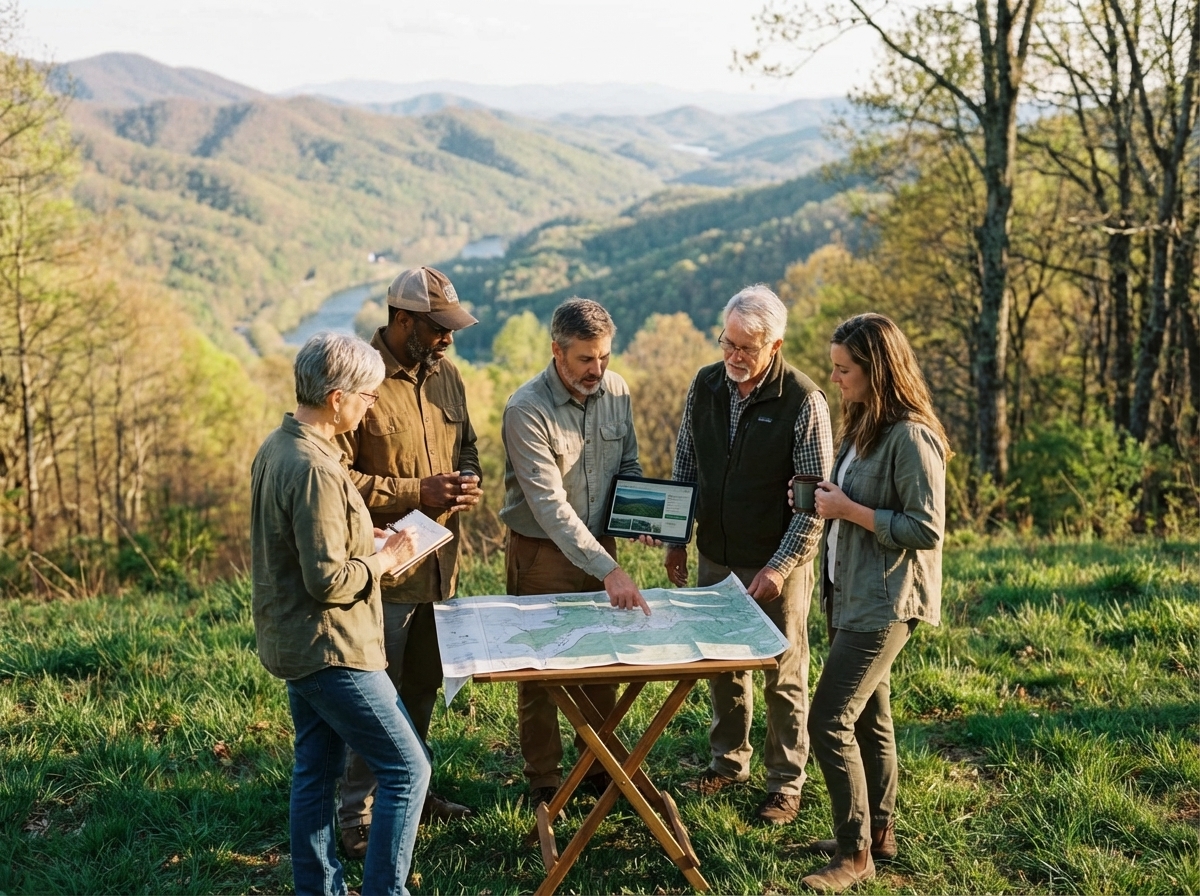
Once you understand the basics, it’s time to prepare for development. This section covers utilities and essential systems needed for a functional property.
Utilities: Power, Internet, and Gas Options
Utilities can make or break your land purchase. Start by checking power availability. In rural areas, extending power lines can be costly. You might explore alternative energy options like solar power. Local power companies can provide estimates for utility connections to your land.
Internet access is another consideration. With many people working remotely, a reliable connection is essential. In some areas, satellite internet might be your only choice. Researching your options beforehand prevents future disappointments. Also, consider gas options. Some regions offer natural gas, while others rely on propane. Knowing what’s available helps plan your energy needs effectively.
Well and Septic Systems: Permits and Tests
Water and waste systems are crucial for any land development. If your land lacks a public water supply, a well is necessary. Before drilling, you’ll need a well permit. Testing water quality ensures it meets safety standards. Contact local authorities for permit details and testing guidelines.
Septic systems handle waste when public sewer is unavailable. A perc test determines soil suitability for a septic system. This test is critical, as unsuitable soil may prevent you from building. Once approved, you’ll need a septic permit. Following these steps ensures your land is build-ready. You can read more about these processes in this comprehensive guide.
Conducting Thorough Land Assessments
With development basics covered, the next step involves assessing the land itself. This ensures you know exactly what you’re buying.
Survey and Boundary Considerations
A survey is a must-have. It defines your property’s boundaries and identifies any encroachments. This is vital for both legal and practical reasons. Imagine building a fence, only to find it’s on your neighbor’s land. A professional survey prevents such mishaps. Boundary issues can lead to legal disputes, so ensure you have an accurate survey before purchasing.
Boundary considerations extend beyond fences. They also include natural features like streams or rocky outcrops. Understanding these helps plan your land use effectively. Additionally, if your land borders public land, be aware of buffer zones or restrictions that may apply.
Soil, Slope, and Geotechnical Analysis
Soil and slope play a huge role in development. Soil type affects drainage, which is crucial for both septic systems and building stability. Conducting a soil survey reveals the land’s suitability for construction. Geotechnical analysis further examines soil and rock conditions. This step is essential for safe, long-lasting structures.
Slope analysis determines how steep your land is. In Asheville, for example, steep slopes may have specific building codes. Knowing the slope helps plan your construction project. Ignoring slope regulations can halt your plans, so conduct this analysis early. These assessments ensure your land is ready for development, paving the way for your dream project in Western North Carolina.